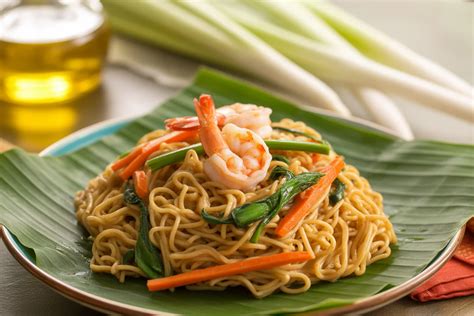
Pancit Habhab is more than just a noodle dish; it's a culinary emblem of Lucban, Quezon, a town vibrant with a lively food scene. The tantalizing aroma of sautéed noodles, soy sauce, and fresh vegetables wafting from open food stalls is an immediate invitation to experience this unique Filipino delicacy. What truly sets Pancit Habhab apart is not only its distinctive ingredients but also its unconventional serving style, where the noodles are presented on banana leaves and traditionally enjoyed without utensils. This method of consumption enhances the sensory experience, allowing diners to fully appreciate the textures and flavors in their purest form.
The Heart of Pancit Habhab: Miki Lucban Noodles
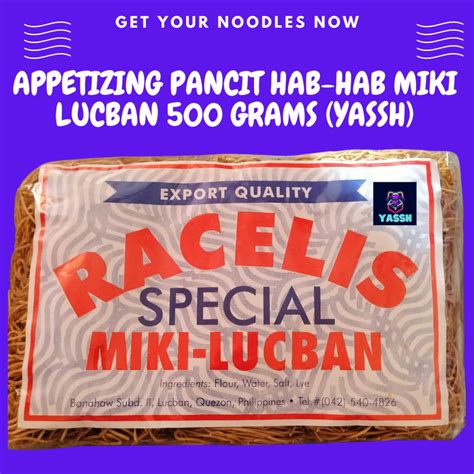
At the core of Pancit Habhab lies the miki Lucban noodle. This special type of fresh egg noodle, originating from the town of Lucban, possesses a slightly firm yet wonderfully chewy texture. This inherent characteristic is crucial, as it allows the noodles to absorb the rich, savory sauce without becoming overly soft or mushy, a common pitfall for many noodle dishes. The miki Lucban noodles provide a satisfying bite that is central to the authentic Pancit Habhab experience, serving as the perfect canvas for the symphony of flavors that follow.
A Symphony of Flavors: Ingredients and Preparation
The creation of Pancit Habhab is a testament to the beauty of simple, well-balanced ingredients. The dish typically combines succulent pieces of pork belly and tender shrimp, which are cooked to perfection to offer contrasting textures and depths of flavor. These proteins are then united with a medley of fresh vegetables, including crisp cabbage, vibrant carrots, delicate snow peas, and the subtly flavored chayote.
The sautéing process is where the magic truly begins. Aromatics like garlic are gently fried until fragrant, forming the flavor base. This is followed by the addition of key sauces - soy sauce and oyster sauce - which are simmered briefly to intensify their savory notes. The prepared vegetables are then introduced, stir-fried to retain their crispness and vibrant colors. A crucial step involves adding water or broth, bringing the mixture to a gentle boil before the star, the miki Lucban noodles, are incorporated. The noodles are then tossed until they have absorbed the flavorful liquid, becoming soft yet retaining their signature chewiness.
Finally, the pre-cooked pork and shrimp are returned to the wok, along with a seasoning of ground black pepper and an adjustment of soy sauce to taste. This meticulous layering of ingredients and flavors ensures a harmonious and deeply satisfying dish.
The Art of Serving: Tradition and Modernity
In Lucban, Pancit Habhab is a beloved staple for merienda (afternoon snack) and is widely available as street food. Vendors skillfully present the dish on small stalls or larger bilao trays, both lined with fresh banana leaves. This traditional serving method is not merely aesthetic; it imparts a subtle, earthy aroma to the noodles and provides a natural, biodegradable plate. The classic way to savor Pancit Habhab is to hold the banana leaf and slurp the noodles directly from it, a communal and intimate dining experience.
While the traditional method eschews utensils, modern interpretations may vary. For those seeking a more substantial meal, Pancit Habhab pairs exceptionally well with longganisa Lucban (a local sausage) or a fried egg for breakfast. For gatherings and parties, serving it family-style on a large bilao allows for easy sharing and communal enjoyment.
Variations on a Theme: Adapting Pancit Habhab
The versatility of Pancit Habhab extends to its protein components. While pork and shrimp are classic, the dish can be wonderfully adapted to suit different preferences. For instance, a popular variation is Chicken Pancit Habhab, which replaces the traditional pork and pork liver with tender, shredded chicken. This version involves boiling chicken until tender, then shredding it and incorporating it into the sautéed vegetables and sauce. The chicken stock saved from boiling is often used to add depth and moisture to the dish.
Other protein alternatives include squid or even just focusing on the pork. The core essence of the dish - the miki Lucban noodles, the savory sauce, and the fresh vegetables - remains consistent, allowing for creative adjustments without compromising the dish's identity.
The Quintessential Vinegar Splash: Enhancing the Flavor Profile
A key element that elevates Pancit Habhab from simply delicious to truly unforgettable is the addition of vinegar. While not always explicitly listed as an ingredient in every preparation, a splash of vinegar is integral to the authentic flavor profile. For the most genuine taste, cane vinegar or sukang paombong is recommended. This type of vinegar provides a bright, tangy counterpoint to the richness of the soy and oyster sauces, cutting through the savory notes and adding a refreshing zest that awakens the palate. The interplay between the savory noodles and the sharp tang of the vinegar is a characteristic that defines Pancit Habhab and contributes to its enduring popularity. Understanding the role of vinegar is crucial for anyone aiming to recreate the authentic taste of this beloved dish.
Beyond the Plate: The Cultural Significance of Pancit Habhab
Pancit Habhab holds a special place in Filipino cuisine, standing out among the vast array of pancit dishes not only for its unique serving style but also for its deep connection to its community of origin. The dish embodies the spirit of Lucban, a town that celebrates simple, honest flavors executed with skill and passion. It’s a dish tied to a community, reflecting its traditions and its ability to find joy in the everyday.
The story of Pancit Habhab is one of simplicity and tradition. It captures the very essence of Filipino street food: flavorful, accessible, and best enjoyed in the company of others. The experience of tasting the perfect balance of savory sauce, the satisfying chew of the noodles, and that signature splash of vinegar is what makes Pancit Habhab a cherished favorite across generations. It’s a reminder that some of the most profound culinary experiences come from the simplest of preparations, executed with heart.
How To Eat Pancit Habhab Like A Local | Yummy Ph
Culinary Exploration: Recreating Pancit Habhab at Home
Embarking on the journey to make Pancit Habhab at home is a rewarding endeavor, revealing the dish's surprising simplicity. The process begins with preparing the protein. Heat oil in a wok over medium heat and add pork belly, cooking until it achieves a light brown hue and its edges become slightly crisp. Subsequently, add shrimp and cook briefly until it turns pink. It is advisable to remove the cooked pork and shrimp from the wok and set them aside to prevent overcooking.
In the same wok, sauté garlic until it releases its fragrant aroma. Then, add sliced onions and cook until they soften. The sauces, soy sauce and oyster sauce, are then poured in, stirred to combine, and allowed to bubble briefly, which helps to deepen their flavor profile.
Next, the prepared vegetables are added: chayote, carrot, snow peas, and cabbage. These are tossed to coat them evenly with the sauce. A crucial step follows: pouring in beef broth and bringing the mixture to a gentle boil. This liquid base is essential for cooking the noodles.
The star ingredient, miki Lucban noodles, is then introduced into the wok. The mixture is tossed until the noodles absorb the liquid, becoming soft and thoroughly flavored. Once the noodles have reached the desired consistency, the reserved cooked pork and shrimp are returned to the wok. The dish is then seasoned with ground black pepper, and the soy sauce is adjusted to taste, ensuring a perfect balance of savory flavors.
For a variation like Chicken Pancit Habhab, the approach is similar but with adjustments for the protein. After sautéing the aromatics, shredded chicken is added and cooked for a couple of minutes. Knorr SavorRich Chicken Liquid Seasoning might be used for enhanced flavor, followed by the addition of chicken stock and soy sauce. The liquid is brought to a boil before half of the habhab noodles are added. As the noodles begin to soften and absorb the liquid, the remaining noodles are incorporated. The mixture is then cooked over low heat, with occasional tossing, until the liquid is fully absorbed and the noodles are soft but not mushy. Stir-fried vegetables are then added back into the pot along with ground black pepper, tossed for a final two minutes, and the dish is ready to be served.
Essential Ingredients for Authentic Pancit Habhab:
- Noodles: 8 oz Miki Lucban noodles (or other fresh egg noodles)
- Protein: 4 oz pork belly, thinly sliced; 4 oz shrimp, peeled and deveined
- Aromatics: 5 cloves garlic, minced; 1 piece onion, sliced
- Vegetables: 1 small chayote, julienned; 1 small carrot, julienned; 6 pieces snow peas; 2 cups cabbage, shredded
- Sauces: 3 tbsp soy sauce; 2 tbsp oyster sauce
- Liquid: 1.5 cups beef broth (or water)
- Fat: 3 tbsp cooking oil
- Seasoning: Ground black pepper to taste
For the Chicken Pancit Habhab variation, substitute pork and shrimp with 1/2 lb. shredded cooked chicken and utilize approximately 4 cups of chicken stock. Ingredients like Knorr SavorRich Liquid Seasoning might also be employed.
The Vinegar Choice: A Matter of Authenticity
The selection of vinegar plays a pivotal role in achieving the authentic taste of Pancit Habhab. While various vinegars can be used, cane vinegar, known for its mild yet distinct tang, or the more potent sukang paombong are the traditional choices. These vinegars provide a sharp, acidic note that beautifully cuts through the richness of the sautéed ingredients, creating a balanced and complex flavor profile that is characteristic of the dish.
Timing and Storage: Best Enjoyed Fresh
While Pancit Habhab can be prepared ahead of time, its optimal flavor and texture are best experienced when freshly cooked. The miki Lucban noodles are particularly susceptible to over-softening if left to sit in the sauce for extended periods. Therefore, for the most authentic and enjoyable experience, it is recommended to prepare and serve this delightful noodle dish immediately after cooking.
The journey of Pancit Habhab, from its humble origins in Lucban to its place on tables around the Philippines and beyond, is a testament to the power of simple ingredients, thoughtful preparation, and a deep connection to tradition. It’s a dish that invites sharing, conversation, and the pure enjoyment of good food.